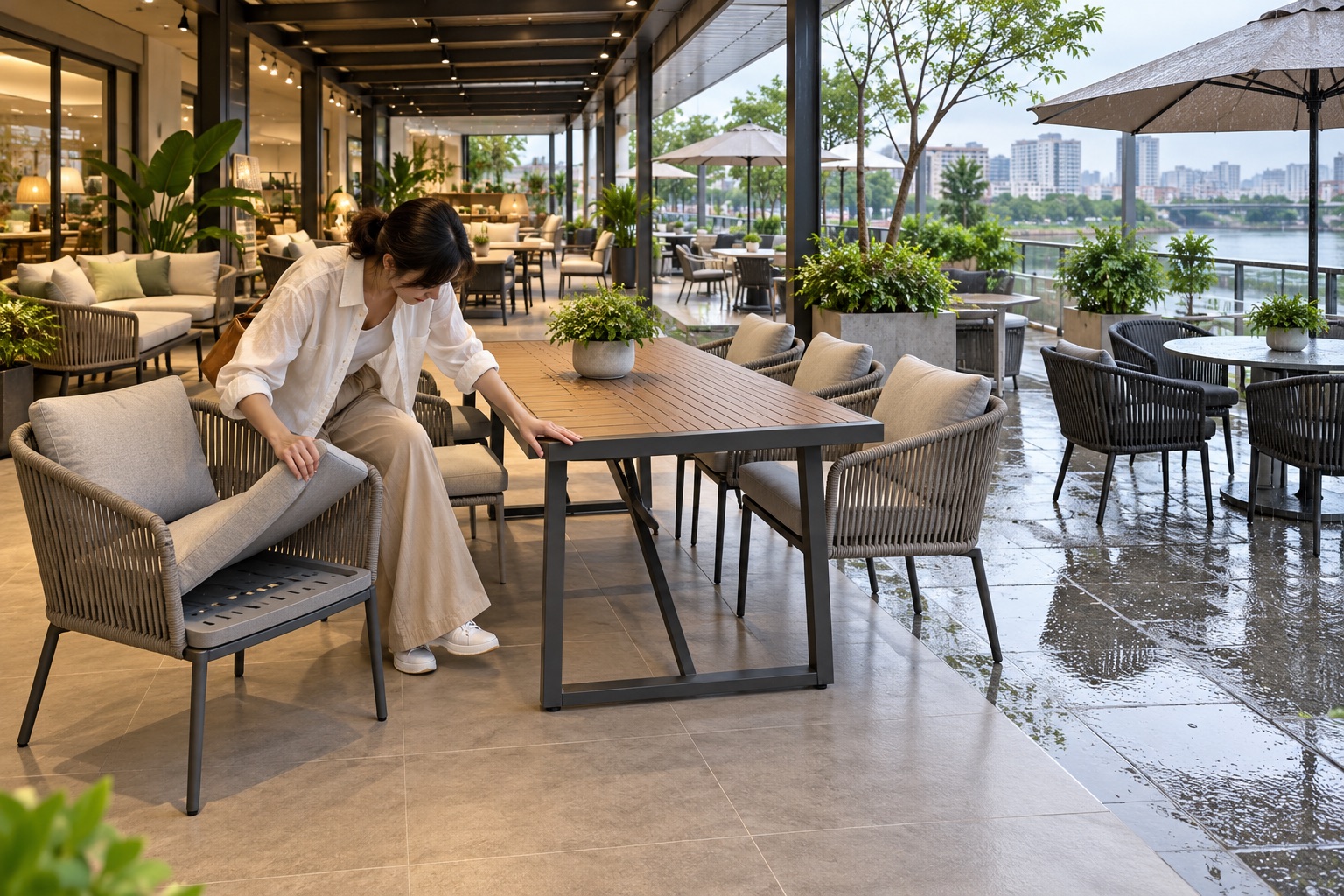
Planning a Lecong Furniture Market Route by Product Category
Build a category shortlist, visit sequence, comparison checkpoints and daily review around project priorities.

A useful Lecong route is measured by sourcing questions resolved, not by the number of showrooms entered. Group needs by room and category, give priority items more time, schedule comparable options together and review the shortlist before each day ends.
Scope of this guide
This guide provides a sourcing-management and decision framework. It does not replace written supplier confirmation, professional inspection, freight quotations, contract review or destination-country compliance advice.
Define the decision standard first
- Group the requirement by room and category
- Build a showroom shortlist and alternatives
- Set a comparison task for each category
- Reserve time to record and revisit
Records the project should produce
| Decision item | Record to retain |
|---|---|
| Group the requirement by room and category | Break living, dining and bedroom needs into products with priorities |
| Build a showroom shortlist and alternatives | Use style, budget direction, customization and location without relying on one referral |
| Set a comparison task for each category | Define dimensions, material, comfort, modification and quotation questions |
| Reserve time to record and revisit | After each category group, organize photos, IDs, questions and ranking |
| Update the route at day end | Remove weak options, add open questions and lock items that need a second look |
Recommended workflow
- Group the requirement by room and category: Break living, dining and bedroom needs into products with priorities
- Build a showroom shortlist and alternatives: Use style, budget direction, customization and location without relying on one referral
- Set a comparison task for each category: Define dimensions, material, comfort, modification and quotation questions
- Reserve time to record and revisit: After each category group, organize photos, IDs, questions and ranking
- Update the route at day end: Remove weak options, add open questions and lock items that need a second look
After each approval, retain the version, date and responsible person so critical decisions do not exist only in chats or verbal discussions.
Common mistakes and risks
- No verifiable evidence for: Group the requirement by room and category
- No verifiable evidence for: Build a showroom shortlist and alternatives
- No verifiable evidence for: Set a comparison task for each category
Execution checklist
- Confirmed and retained: Build a showroom shortlist and alternatives
- Confirmed and retained: Set a comparison task for each category
- Confirmed and retained: Reserve time to record and revisit
- Confirmed and retained: Update the route at day end
Related guides on this site
- Selecting a Furniture Style in Lecong: From References to Buying Rules
- Ready-Made vs Custom Furniture in Lecong
- Lecong Showroom Samples vs Newly Produced Furniture Orders
Frequently asked questions
Can every Lecong market be covered in one day?
That should not be the goal. Scope depends on categories, comparison depth, travel and discussion time.
Should the route follow only physical distance?
Distance matters, but category continuity and time for high-value decisions matter more.
Plan the route around sourcing questions, not showroom counts
To discuss a specific project, prepare the destination country, room list, quantities, dimensions, budget direction and target timing, then use the contact section on this site.