Lecong Showroom Samples vs Newly Produced Furniture Orders
Compare condition, specification control, batch variation, timing, packing and inspection for displays and new production.
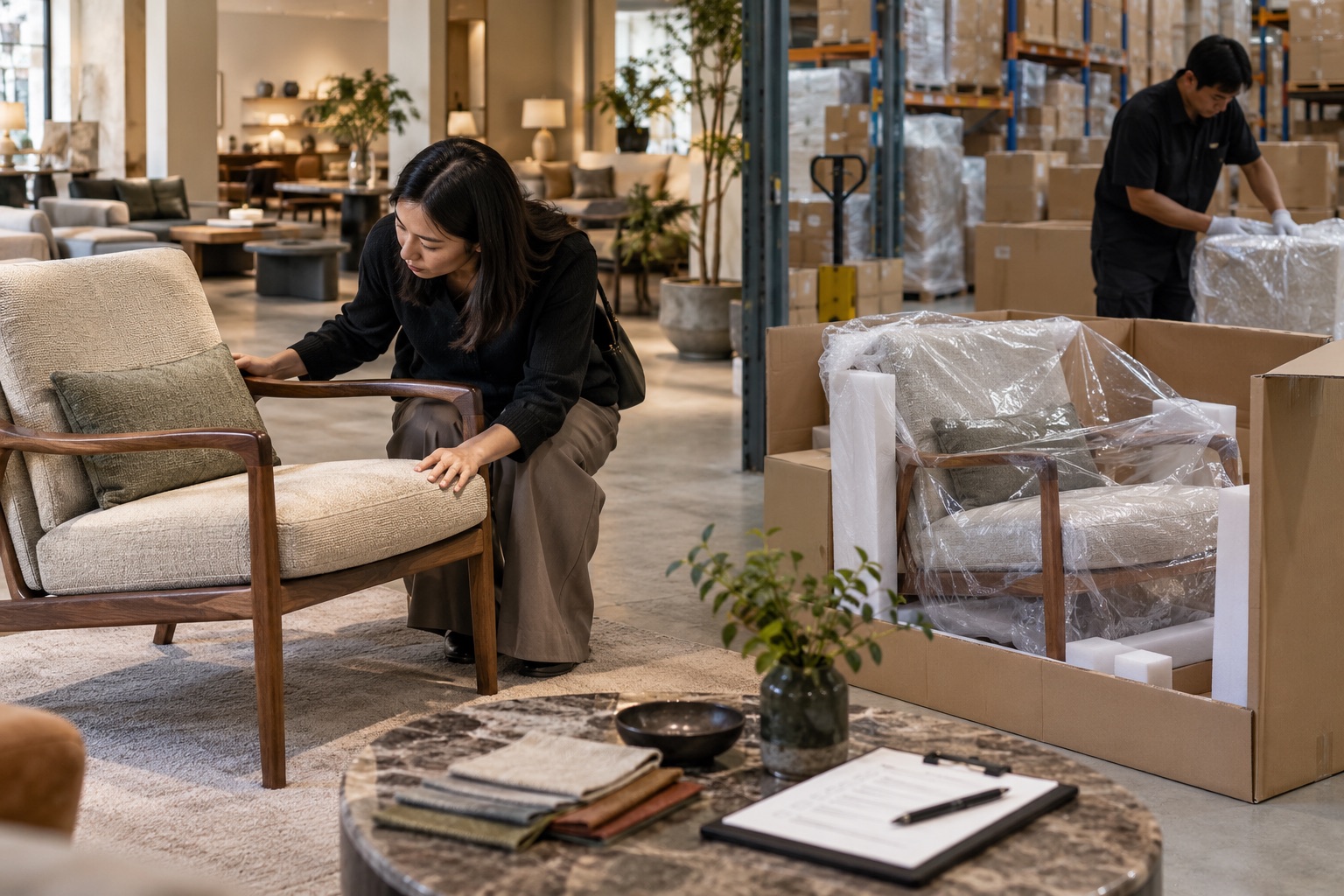
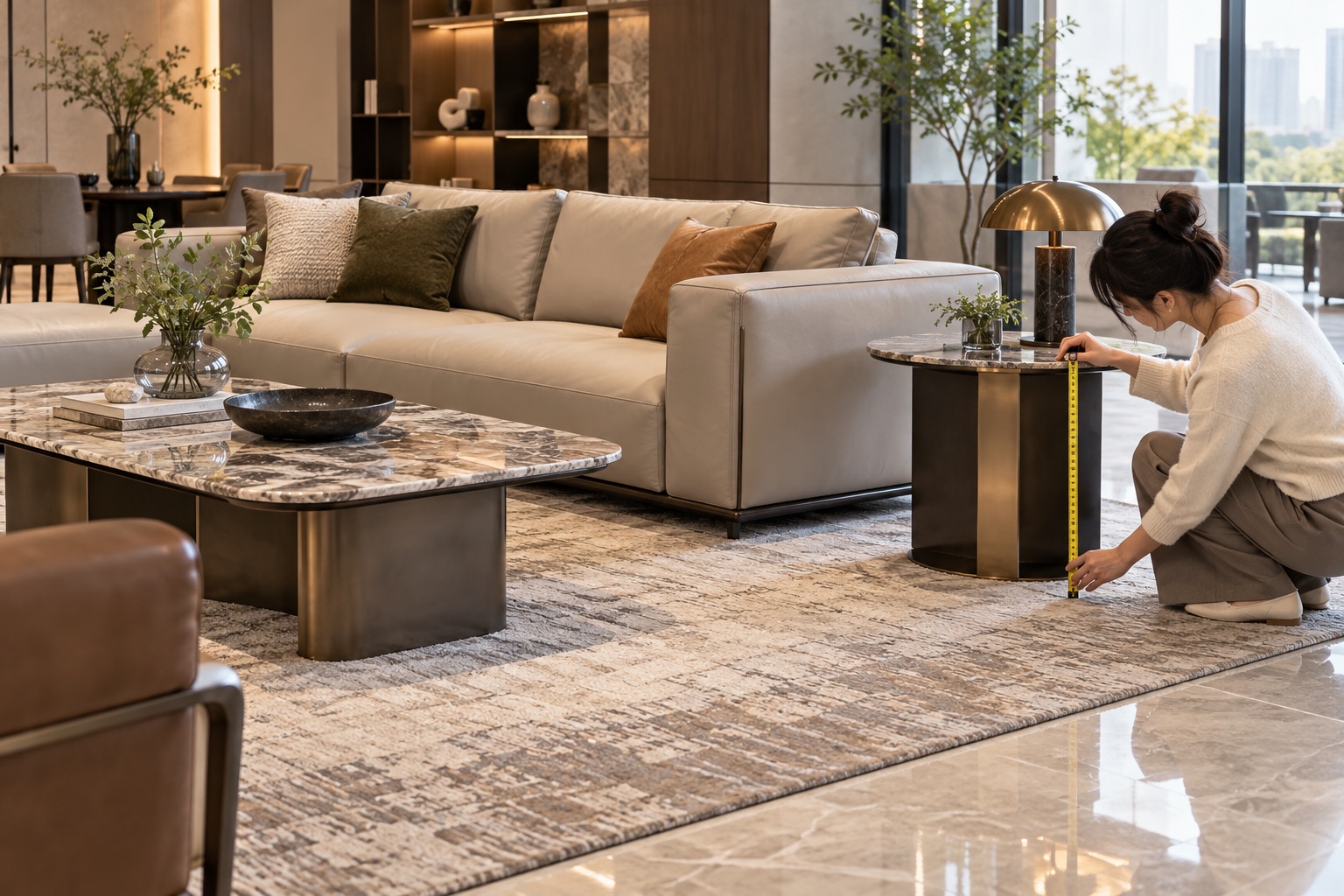
A showroom display proves the appearance and condition of that physical piece at that moment; it does not guarantee a new order will be identical. Display purchases require condition checks, while reproduction requires controlled specifications, samples, variation limits, timing and inspection.
Scope of this guide
This guide provides a sourcing-management and decision framework. It does not replace written supplier confirmation, professional inspection, freight quotations, contract review or destination-country compliance advice.
Define the decision standard first
- Confirm what is being purchased
- Inspect display condition and completeness
- Create a reproduction standard
- Assess batch and material variation
Records the project should produce
| Decision item | Record to retain |
|---|---|
| Confirm what is being purchased | State whether the transaction covers the displayed piece, warehouse stock or new production |
| Inspect display condition and completeness | Record wear, colour change, repair, missing parts, function, cleaning and hidden areas |
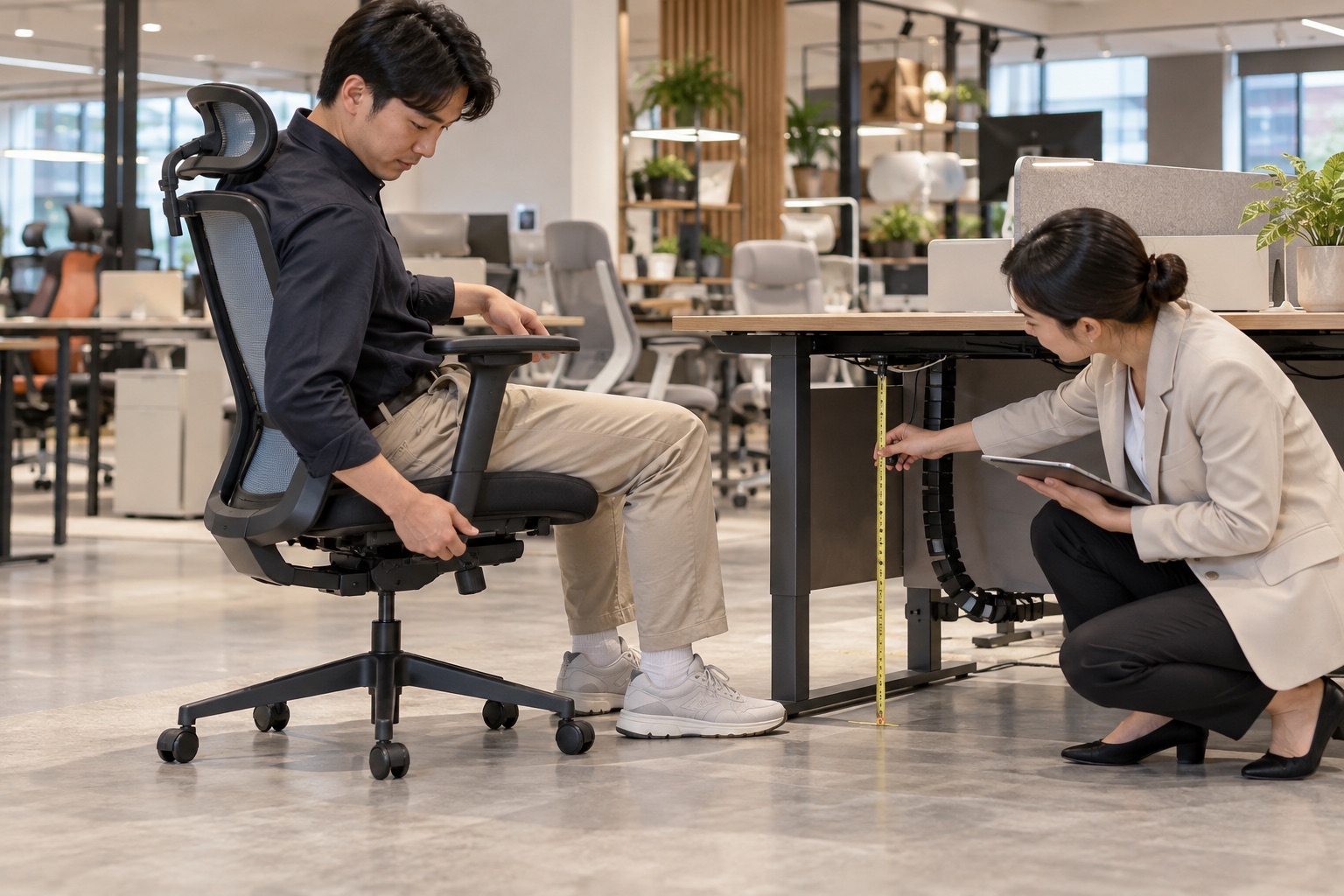
| Create a reproduction standard | Define the reference through ID, dimensions, materials, colour, workmanship photos and samples |
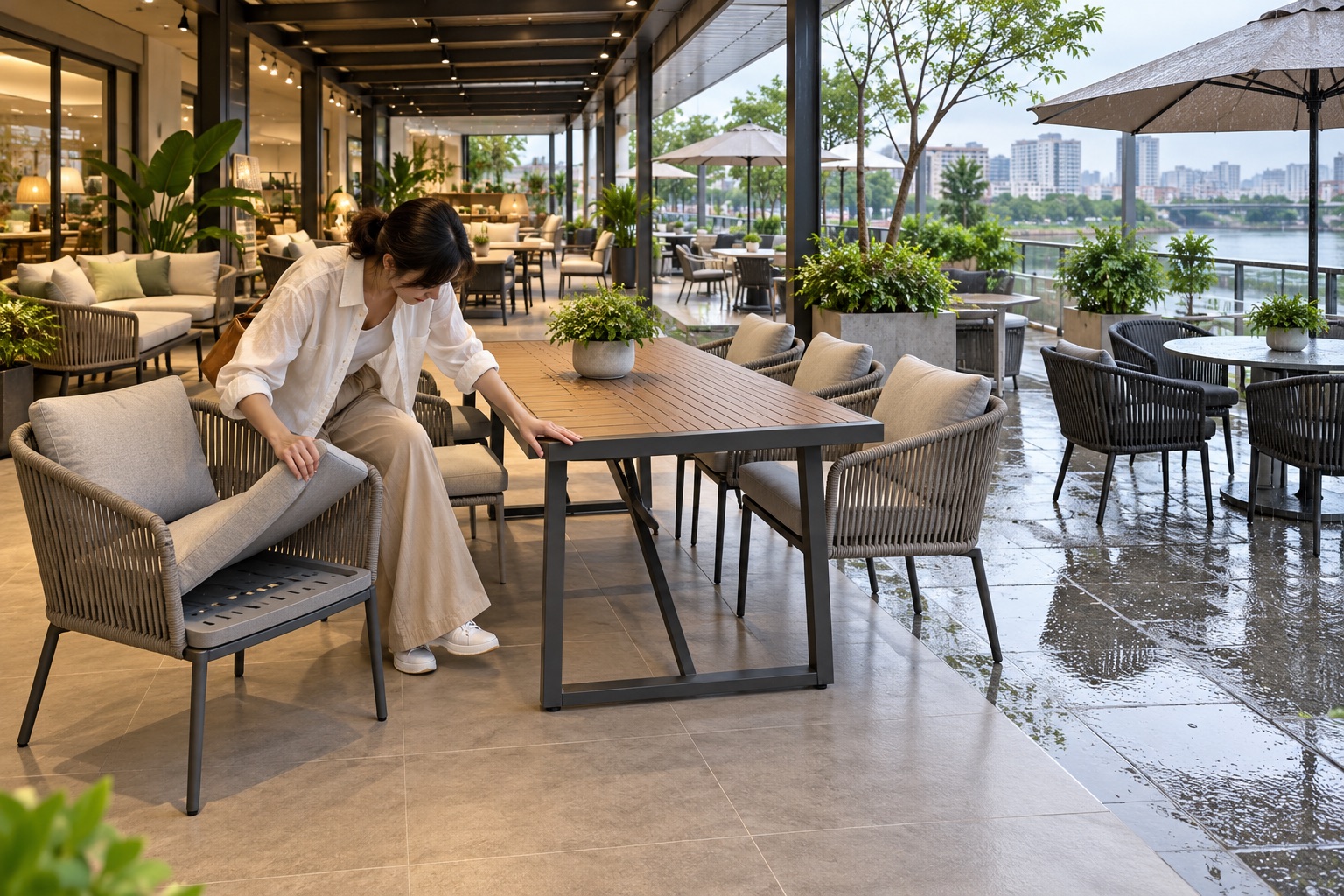
| Assess batch and material variation | Clarify acceptable change in wood, stone, leather, fabric, metal finish and handwork |
| Plan packing and acceptance separately | Protect existing condition for displays; inspect consistency, quantity and batches for production |
Recommended workflow
- Confirm what is being purchased: State whether the transaction covers the displayed piece, warehouse stock or new production
- Inspect display condition and completeness: Record wear, colour change, repair, missing parts, function, cleaning and hidden areas
- Create a reproduction standard: Define the reference through ID, dimensions, materials, colour, workmanship photos and samples
- Assess batch and material variation: Clarify acceptable change in wood, stone, leather, fabric, metal finish and handwork
- Plan packing and acceptance separately: Protect existing condition for displays; inspect consistency, quantity and batches for production
After each approval, retain the version, date and responsible person so critical decisions do not exist only in chats or verbal discussions.
Common mistakes and risks
- No verifiable evidence for: Confirm what is being purchased
- No verifiable evidence for: Inspect display condition and completeness
- No verifiable evidence for: Create a reproduction standard
Execution checklist
- Confirmed and retained: Inspect display condition and completeness
- Confirmed and retained: Create a reproduction standard
- Confirmed and retained: Assess batch and material variation
- Confirmed and retained: Plan packing and acceptance separately
Related guides on this site
- Planning a Lecong Furniture Market Route by Product Category
- Selecting a Furniture Style in Lecong: From References to Buying Rules
- Ready-Made vs Custom Furniture in Lecong
Frequently asked questions
Does a showroom photo guarantee an identical reproduction?
No. It needs written specifications, material samples, dimensions and agreed tolerances.
Is a showroom display always cheaper?
No, and its condition, missing parts, packing and after-sales terms also affect value.
Confirm whether the order buys this piece or a reproduction standard
To discuss a specific project, prepare the destination country, room list, quantities, dimensions, budget direction and target timing, then use the contact section on this site.